Stress vs. Anxiety
- What's the Diffference
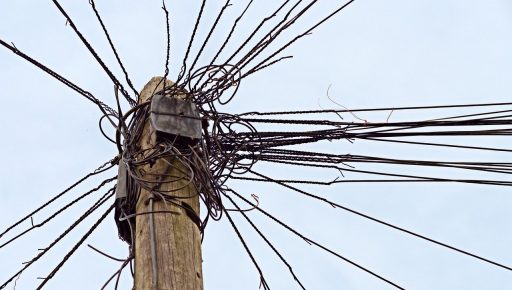
These times can vary from mild discomfort to extreme mental or physical overload. People can experience stress and anxiety in different ways and levels of intensity, and similarly how they cope or deal with them will be different. The impact of stress can affect the quality of their life experience.
Stress is a natural response to pressure or demands that we feel we need to deal with. It can happen when life feels challenging, overwhelming or unpredictable, or when we feel that the demands being placed upon us are greater than the resources we have available to cope with them.
For example, imagine you have a particularly busy week at work, several deadlines approaching, your phone constantly ringing and a long list of things that need to be done at home. You might notice that your shoulders feel tense, your heart is beating faster, you are becoming more irritable, or you are finding it difficult to concentrate.
You may find yourself thinking, “I have too much to do and I don’t know how I’m going to get everything done.”
This is stress.
Your mind has recognised that you are under pressure and your body responds accordingly.
The brain activates the body’s stress response, releasing hormones including adrenaline and cortisol. These help prepare us to respond to a challenge by increasing alertness, heart rate and energy. This is part of the body’s natural fight, flight or freeze response.
Stress isn’t always a bad thing. In short bursts, it can help us focus, meet a deadline, respond quickly to a problem or perform when something matters to us.
The difficulty can arise when the pressure continues for a long time, when there is little opportunity to recover, or when we begin to feel that we simply cannot cope.
If we remain under prolonged stress, it can start to affect our sleep, concentration, mood, relationships and general wellbeing. We may feel constantly “switched on”, as though our body is waiting for the next problem to appear.
Remember, Stress doesn’t come from what’s going on in your life. It comes from the thoughts about what’s going on in your life – Andrew J Bernstein
The good news is that stress is not simply about what is happening around us. How we interpret a situation, what we tell ourselves about it, and whether we believe we have the resources to cope can all influence how stressful it feels.
Sometimes the most helpful first step is simply recognising that your body isn’t “letting you down”, it is responding to what it perceives as pressure or threat.
Anxiety is a natural human response to uncertainty, danger or the possibility that something might go wrong. We all experience anxiety from time to time.
It can appear before an important meeting, an exam, a medical appointment, travelling somewhere unfamiliar or when we are facing a difficult situation.
At its simplest, anxiety is the mind and body’s way of preparing us for something that might happen.
Unlike stress, which is often connected to something that is happening now, anxiety can be more focused on the future — what might happen, what could go wrong, or whether we will be able to cope.
“You don’t have to control your thoughts. You just have to stop letting them control you.” – Dan Millman
For example, imagine you have an important presentation at work tomorrow. You might find yourself thinking, “What if I forget what I want to say? What if people think I’m not good enough? What if I make a mistake?”
As these thoughts become stronger, you might notice your heart beating faster, your stomach feeling unsettled, your muscles becoming tense or your breathing changing.
This is anxiety.
Your brain has identified a possible threat and your body responds as though it needs to prepare for it. Just as with stress, the body’s fight, flight or freeze response can become activated, releasing hormones such as adrenaline and cortisol. You may become more alert, focused and ready to respond.
Stress |
Anxiety |
|---|---|
|
|
|
|
|
|
|
|
When stress continues for too long, it can begin to feel as though you are constantly switched on.
Instead of being able to relax when the pressure passes, your mind and body can remain on high alert, always waiting for the next problem or demand.
You might feel tense, irritable, exhausted or find it difficult to switch off at the end of the day. Sleep and concentration can also be affected. While our stress response is designed to protect us in short bursts, it is not meant to stay activated all the time.
When anxiety becomes persistent, overwhelming or difficult to control, it can start to interfere with everyday life.
You may find yourself avoiding situations, struggling to sleep, constantly worrying or losing confidence in yourself. Over time, anxiety can affect relationships, work and the things you normally enjoy.
The important thing is that you don’t have to simply put up with it; understanding what is happening and learning how to respond differently can help you regain a sense of control.
Understanding stress and anxiety can be the first step towards managing them.
Learning to recognise your thoughts, notice what triggers your stress or anxiety, and understand how your body responds can help you feel more in control.
Simple strategies such as taking time to pause, practising relaxation, challenging unhelpful thoughts, getting enough sleep and making space for activities that help you recharge can all make a difference.
Sometimes, though, we need a little more support. Talking to someone can help you understand what is keeping the cycle going and explore new ways of responding.
Coaching, counselling and hypnotherapy may offer helpful tools and support, depending on your individual needs.