The Gen-X Menopause
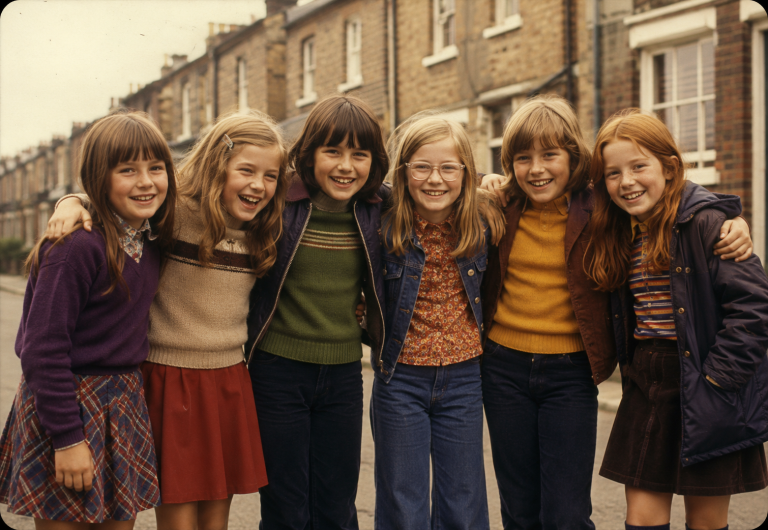
Growing up in the 70s where we played out in the street until dusk, coming home at when called.
We rode our bikes, climbed trees, played skipping games and made dens out of whatever we could find and we knocked on a friend’s doors to come out to play.
There were no mobile phones, no social media and no way of knowing what our friends were up to every minute of the day.
We had the freedom to wander, to get bored, to use our imaginations and to make our own fun. We watched Top of the Pops, listened to music on cassette tapes and the radio, collected stickers, badges and smelly rubbers.
And then, without really noticing it, those carefree girls grew up.
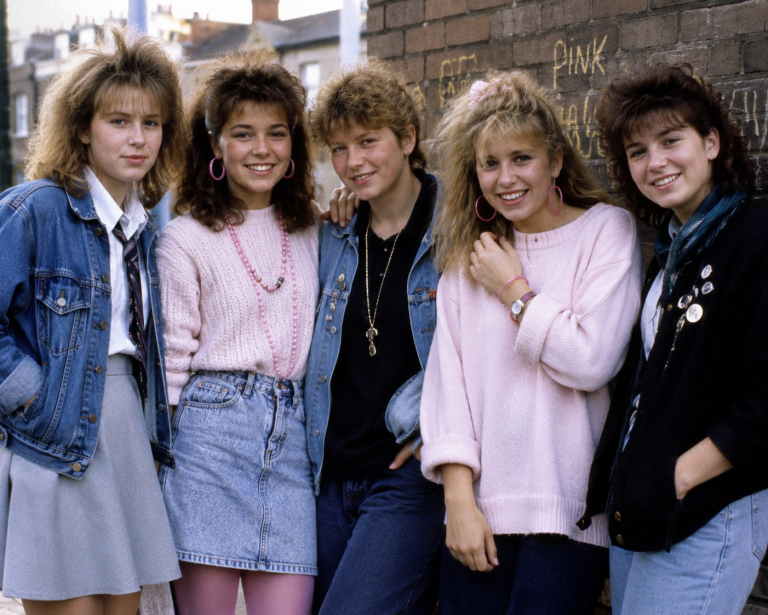
We became teenagers, then young women. We started work, built careers, fell in love, had children, cared for families, navigated relationships, dealt with losses and challenges, and learned to keep going even when life wasn’t easy.
Those girls in the photograph are women in their 50s and 60s.
Many of us are now somewhere in the journey through perimenopause, menopause or post-menopause.
And perhaps that is why this stage of life can feel so strange sometimes.
Because underneath everything we have become, there is still a little bit of that girl who played outside until the streetlights came on.
The girl who had dreams about what her life might become.
The girl who didn’t yet know just how much life would ask of her.
And maybe menopause isn’t just about hormones and hot flushes. Maybe it’s also about pausing for a moment and asking ourselves:
Where have I been?
Who have I become?
And who do I want to be now?
Because this isn’t the end of our story.
Perhaps it’s the beginning of a very different chapter.
For those of us who grew up in the 1970s and 1980s, our experience of menopause is likely to be quite different from that of our mothers.
The world has changed enormously since their generation went through it.
Attitudes towards women, family life, work and ageing have shifted, and we have access to far more information about our bodies and our health than previous generations did (Utz, 2011; Murtagh & Hepworth, 2005).
Many Generation-X women reach menopause while still juggling busy lives. We may be working, raising children, supporting ageing parents, managing relationships, living alone, or doing several of these things at once.
We have grown up through changing family structures, economic uncertainty and some pretty significant social changes.
Perhaps as a result, we have developed a reputation for being independent, adaptable and fairly good at getting on with things when life throws something unexpected at us (Mishra et al., 2024).
And that can-do attitude doesn’t necessarily disappear when menopause arrives.
If something isn’t right, we tend to want to know why.
We search for answers, compare experiences and look things up for ourselves.
We have grown up alongside the internet, and unlike previous generations who may have relied more heavily on family, friends or simply accepted menopause as something women had to put up with, we have an enormous amount of information at our fingertips (Murtagh & Hepworth, 2005; Cangelosi, 2020).
Of course, not all of that information is accurate and sometimes there is almost too much of it. But there is a growing willingness to ask questions, understand what is happening to our bodies and look for ways to feel better.
And perhaps that is one of the biggest differences between our generation and those before us.
Historically, menopause was often viewed in a much more negative way. In the nineteenth century, it could be associated with ageing, decline and even the end of a woman’s usefulness (Singh et al., 2002; Atwood et al., 2008).
Menopause doesn’t have to be viewed simply as something that happens to women as they get older. It can also be seen as a significant transition; the closing of one chapter and the beginning of another.
For some women, the end of periods and the freedom from worrying about pregnancy can even bring a sense of relief or newfound freedom (Voda & George, 1986).
Menopause is incredibly individual. Some women sail through it with relatively few difficulties, while others find themselves struggling with symptoms that affect almost every part of their lives.
Our experience can be influenced by many things, including lifestyle, relationships, social support, circumstances and, importantly, how we understand and feel about the changes taking place (Ayres et al., 2010)
For many women, symptoms can continue for several years.
Hot flushes and night sweats are among the symptoms most commonly associated with menopause, but there can be so much more to it than that. Sleep can become difficult. Headaches, aching joints, changes in weight, vaginal dryness and that frustrating feeling of brain fog can all become part of the picture (Avis et al., 2018; Sussman et al., 2015).
Mood changes, anxiety, low mood and feeling unlike yourself can be particularly difficult to understand.
Sometimes it can be hard to know whether you’re struggling because of hormonal changes, because you’re exhausted from not sleeping, because life is demanding more from you than ever — or because all of these things are happening at once (Mishra & Kuh, 2012).
And this is where menopause becomes about much more than physical symptoms.
When you’re tired, anxious, struggling to concentrate or simply don’t feel like yourself, it can affect your relationships, your confidence, your work and your enjoyment of everyday life.
Over time, this can have a real impact on wellbeing and quality of life (Currie & Moger, 2019).
Perhaps this is why we need to stop thinking about menopause as simply a collection of symptoms to be endured.
It is a transition — and for Generation X, it is happening within a very particular chapter of our lives.
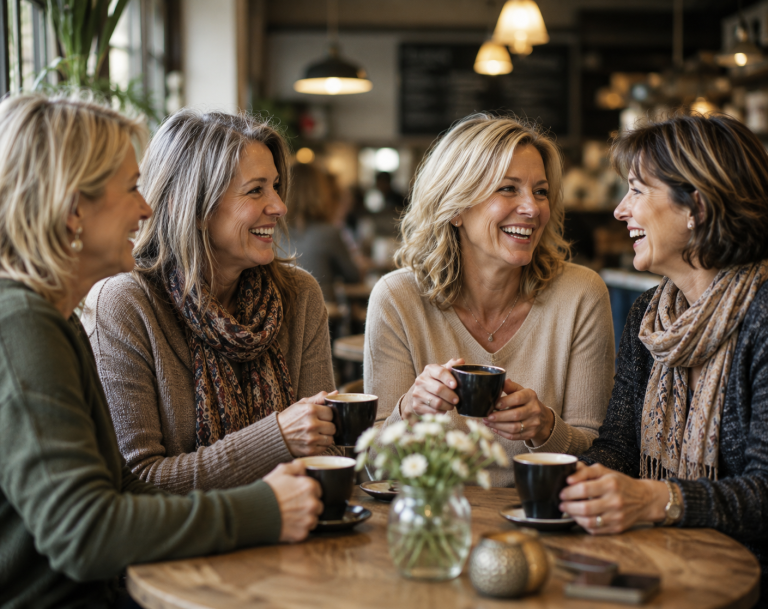
We are the girls who grew up playing outside until dusk.
We became the teenagers of the 80s and 90s.
We entered adulthood in a changing world, built careers, raised families, navigated relationships and experienced our own share of life’s ups and downs.
And now, somewhere along the way, our bodies are changing again.
Maybe the question isn’t simply “How do I get through menopause?”
Maybe it’s:
“How do I want to feel, live and thrive in this next chapter of my life?”