From Hypnotism to Clinical Hypnosis
1843 - Present
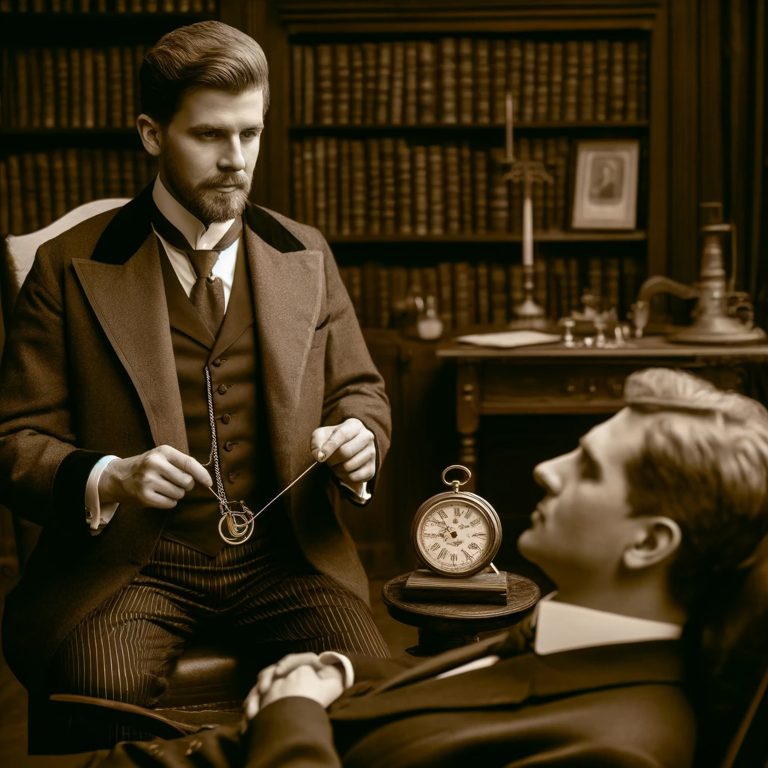
While chemical anaesthesia transformed surgery, hypnosis was finding a new identity. It was no longer valued primarily for its role in pain relief, attention shifted towards understanding how and why it worked.
In France, physicians became increasingly interested in exploring the hypnotic state itself and its potential applications in the treatment of neurological and psychological disorders.
During this period, two influential schools of thought emerged, each attempting to explain hypnosis within a medically accepted framework: the Salpêtrière School in Paris, and the Nancy School. Although both schools studied the same phenomenon, they developed very different explanations of what hypnosis was and how it worked.
Their opposing views created one of the most influential debates in the history of hypnosis: was hypnosis a psychological process shaped by suggestion, or a distinct neurological condition?
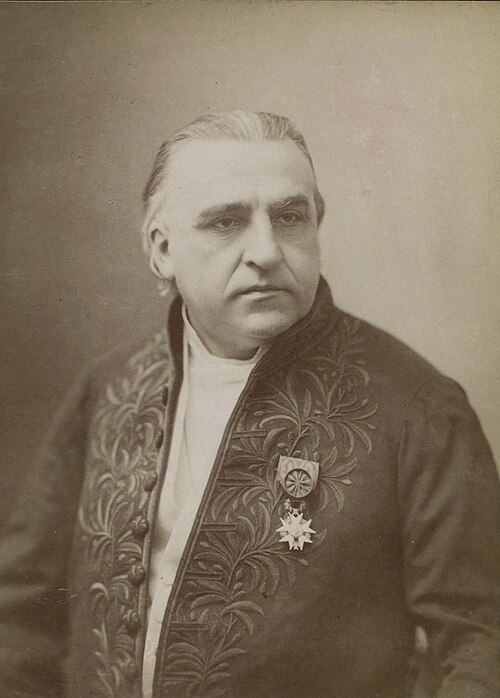
The Salpêtrière School, led by the influential French neurologist Jean-Martin Charcot (1825–1893), took a very different view of hypnosis from the Nancy School. Working at the Salpêtrière Hospital in Paris, Charcot studied hypnosis primarily in patients diagnosed with hysteria, a condition that was widely discussed in 19th century medicine.
He proposed that hypnosis was not simply a state of increased suggestibility, but a neurological condition associated with abnormal nervous functioning.
Charcot believed that hypnosis followed distinct stages and considered it a valuable tool for studying the symptoms and mechanisms underlying hysteria.
His dramatic demonstrations of hypnosis attracted considerable medical attention and helped establish hypnosis as a subject worthy of scientific investigation.
However, his view that hypnosis was closely linked to pathology was later challenged, particularly by the Nancy School, who argued that hypnosis was a normal psychological process rather than a disorder
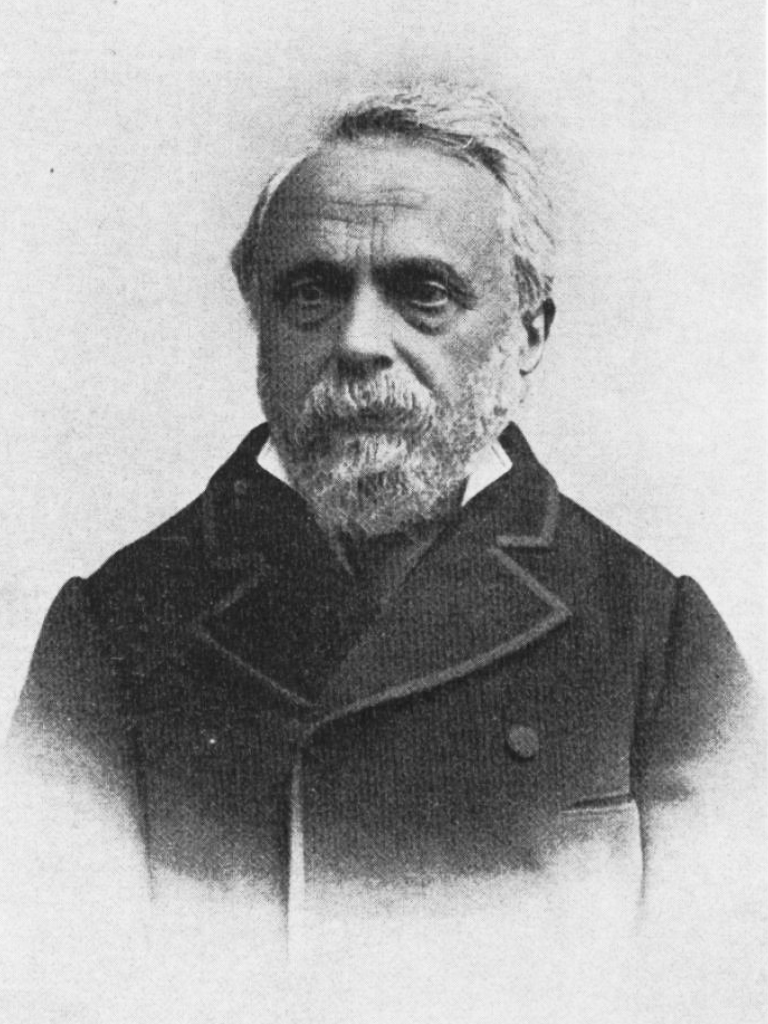
In contrast, the Nancy School developed a very different explanation of hypnosis. Founded by French physician Ambroise-Auguste Liébeault (1823–1904) and later advanced by Hippolyte Bernheim (1840–1919), the school viewed hypnosis as a normal psychological process rather than a pathological condition.
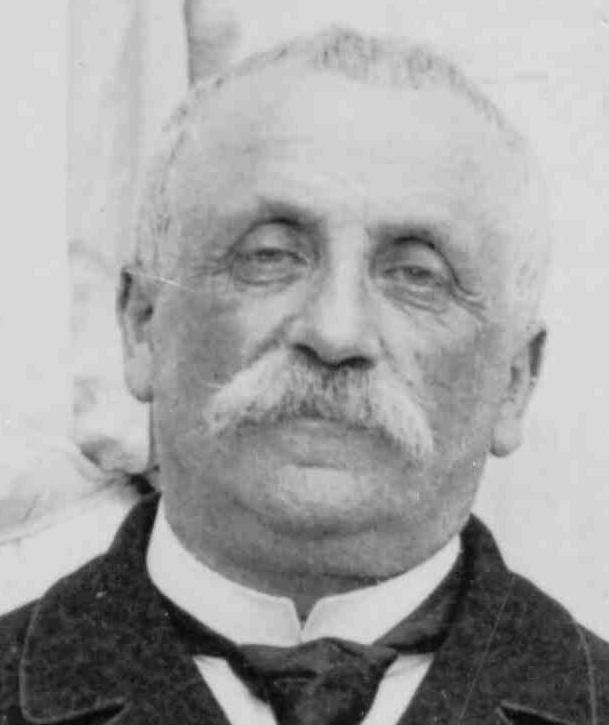
Working with a wide range of patients, Liébeault and Bernheim argued that the effects of hypnosis were primarily due to suggestion and an individual’s responsiveness to ideas and expectations.
Bernheim, in particular, proposed that hypnosis did not require a unique neurological state, but instead reflected normal psychological processes that could be influenced through suggestion.
The Nancy School placed greater emphasis on the therapeutic potential of hypnosis, using it to treat patients while also seeking to understand the mechanisms behind its effects.
Their ideas represented an important shift towards a psychological understanding of hypnosis and influenced later approaches to clinical hypnosis.
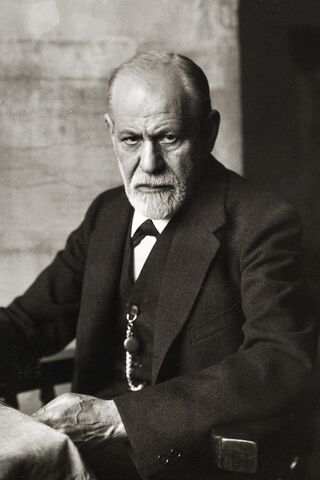
Sigmund Freud (1856–1939), founder of psychoanalysis, was closely associated with hypnosis during the early years of his career. Hypnosis played a crucial role in shaping his understanding of the unconscious mind, an idea that became central to psychoanalysis.
His work helped establish the concept that human behaviour can be influenced by thoughts, memories, and emotions outside of conscious awareness.
In 1885–1886, Freud studied under Jean-Martin Charcot in Paris, where he observed dramatic demonstrations of hypnosis in patients diagnosed with hysteria.
Charcot’s work sparked Freud’s interest in the therapeutic potential of hypnosis and the relationship between psychological symptoms and the mind.
In 1889, Freud visited Hippolyte Bernheim at the Nancy School, where he observed the use of hypnosis and suggestion in clinical practice.
Bernheim’s emphasis on the power of suggestion and the psychological nature of hypnosis had a profound and lasting influence on Freud’s thinking, challenging Charcot’s view that hypnosis was primarily a neurological phenomenon.
Although Freud later abandoned hypnosis in favour of free association, his early experiences with both the Salpêtrière and Nancy Schools laid the foundations for many of the ideas that would shape psychoanalysis.
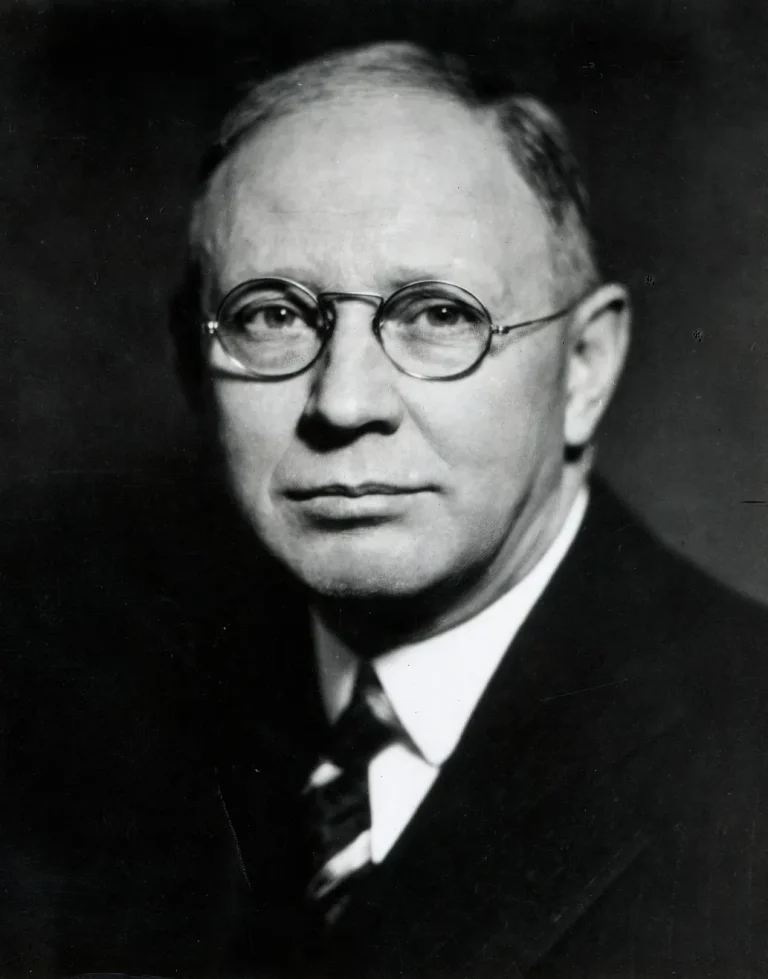
Clark Hull (1884–1952) was one of the first psychologists to study hypnosis using rigorous scientific methods.
At a time when hypnosis was often viewed with scepticism, Hull helped move it from the stage and consulting room into the psychology laboratory. He sought to measure hypnotic phenomena objectively and understand how and why hypnosis worked.
In 1933, Hull published his landmark book, Hypnosis and Suggestibility: An Experimental Approach, drawing on hundreds of experiments. He concluded that many hypnotic phenomena could be explained by suggestion, expectation, and normal psychological processes rather than by a mysterious “mesmeric force.”
Although he did not entirely dismiss the possibility that hypnosis involved a distinct state of consciousness, his findings encouraged a more evidence-based understanding of hypnosis.
Hull’s work marked a turning point in the history of hypnosis. Rather than debating whether hypnosis was “real,” researchers increasingly focused on how it worked and why individuals differed in their responsiveness.
In contrast to Hull, who favoured standardisation and controlled experimentation, Milton Erickson (1901–1980) took hypnosis in a different direction altogether. Rather than trying to prove what hypnosis was, he focused on how it could be used most effectively to help people change.
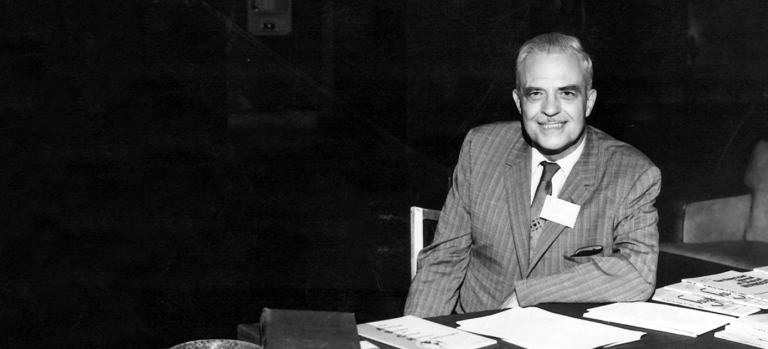
Unlike many of his predecessors, Erickson believed there was no single “correct” way to hypnotise someone. He recognised that every individual was unique and adapted his approach to each client’s personality, experiences, and way of communicating.
As a teenager, Erickson contracted polio and was left almost completely paralysed. During his recovery, he spent countless hours observing people’s movements, body language, and patterns of communication.
These experiences profoundly influenced his understanding of human behaviour and shaped his distinctive approach to hypnosis. Unlike Freud, who viewed the unconscious largely as a source of hidden conflict, Erickson saw it as a creative and resourceful reservoir of learning, resilience, and problem-solving.
Rather than relying on direct commands, Erickson often used stories, metaphors, humour, and carefully chosen language to help clients discover their own solutions. This conversational, indirect style became known as Ericksonian hypnosis and marked a significant departure from the more authoritative methods commonly used at the time.
One of Erickson’s most influential contributions was the principle of utilisation. Instead of viewing a client’s thoughts, behaviours, emotions, or even resistance as obstacles, he incorporated them into the therapeutic process, believing that every response could become a valuable resource for change.
His highly individual, creative, and conversational approach transformed modern hypnotherapy. His emphasis on flexibility, collaboration, and tailoring therapy to the individual continues to influence hypnotherapists, psychologists, and coaches worldwide.
His work also influenced the development of Neuro-Linguistic Programming (NLP), Solution-Focused Brief Therapy, and many contemporary approaches to psychotherapy and therapeutic communication.
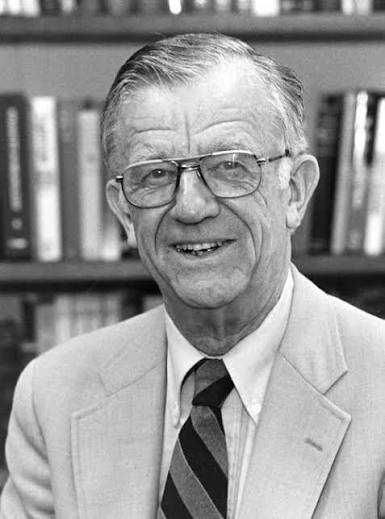
While Erickson changed how hypnosis is practised, Ernest R. Hilgard (1904-2001) changed how psychologists think about hypnosis. Building on the scientific foundations laid by Clark Hull, Hilgard was less interested in whether hypnosis existed and more interested in understanding what was happening in the mind during hypnosis.
Hilgard developed the Neo-Dissociation Theory of hypnosis, proposing that hypnosis involves a division, or dissociation, of conscious awareness. Rather than being completely unconscious or under another person’s control, he suggested that different mental processes can become temporarily separated. This allows a person to focus intensely on one experience while becoming less aware of others.
Through experiments involving hypnotic pain control, Hilgard found that although participants reported feeling little or no pain, another part of their awareness appeared to remain conscious of it. He proposed that this “hidden observer” continued to monitor experiences outside the person’s immediate conscious awareness, even while they were deeply hypnotised.
One important implication of Hilgard’s theory is that it challenged the popular belief that people lose control under hypnosis.
Instead, he suggested that even when someone is deeply absorbed in a hypnotic experience, part of their mind continues to retain a level of awareness and control.
This idea helped reinforce the modern understanding of hypnosis as a state of focused attention and heightened responsiveness, rather than mind control or unconsciousness.
Although researchers continue to debate the existence of the hidden observer, Hilgard’s theory remains one of the most influential state theories of hypnosis.
It helped reassure both researchers and therapists that hypnotised individuals retain an underlying level of awareness throughout the experience, while significantly shaping modern research into consciousness, attention, and hypnotic experience.
While Hilgard suggested that hypnosis involved a dissociation of awareness, Theodore X. Barber (1927–2005) argued that hypnotic experiences could be explained through normal psychological processes.
Barber became a leading advocate of the Non-State Theory, arguing that hypnotic experiences are shaped by expectation, motivation, imagination, focused attention, and responsiveness to suggestion, rather than by a unique hypnotic state.
From this perspective, hypnosis is not a special state that a person enters, but a natural process involving attention, beliefs, and the ability to respond to suggestions.
Through his research, Barber demonstrated that hypnosis could occur even without a formal hypnotic induction. He showed that a person’s expectations, motivation, and beliefs about being hypnotised could significantly influence their responsiveness to suggestion.
Simply expecting to experience hypnosis, he found, could increase hypnotic responsiveness, reinforcing his view that suggestion and psychological factors—not an altered state of consciousness—were at the heart of hypnotic phenomena.
Barber’s work shifted the focus of hypnosis research away from searching for a unique “trance state” and towards understanding the cognitive, social, and psychological factors that influence hypnotic responses.
His ideas challenged traditional state theories and fuelled an ongoing debate about whether hypnosis is best understood as an altered state of consciousness or as an interaction of normal psychological processes.
Although the debate between state and non-state theories continues, Barber’s contribution remains highly influential. His work helped establish hypnosis as an important area of psychological research and continues to shape modern understanding of attention, expectation, imagination, and suggestion.
Today, most researchers recognise that hypnosis is a complex phenomenon that cannot be fully explained by a single theory. Rather than supporting one viewpoint over another, contemporary perspectives suggest that hypnosis is likely to involve a combination of cognitive, social, and neurophysiological processes.
Modern research draws on elements of both state and non-state theories, alongside advances in neuroscience and psychology. Rather than asking whether hypnosis is “real,” researchers are now exploring how focused attention, expectation, suggestion, imagination, motivation, brain activity, and individual differences interact to produce hypnotic experiences.
This reflects a shift away from searching for a single explanation and towards a more integrated understanding of hypnosis.
Advances in brain imaging have shown measurable changes in areas of the brain involved in attention, perception, pain processing, and self-awareness during hypnosis.
While scientists continue to debate exactly how hypnosis works, there is broad agreement that it is a genuine psychological phenomenon with valuable applications in healthcare and psychotherapy.
Today, the focus is no longer on proving hypnosis exists, but on understanding how it can be used safely and effectively to help people.
Clinical hypnosis is the application of hypnosis within healthcare and psychological practice to support positive therapeutic change.
Far removed from the myths of swinging watches and mind control, modern clinical hypnosis is a collaborative process in which the client remains an active participant throughout. Rather than losing control, individuals are encouraged to use focused attention, imagination, and suggestion to achieve their own therapeutic goals.
Today, clinical hypnosis is often integrated with evidence-based approaches such as Cognitive Behavioural Therapy (CBT), Acceptance and Commitment Therapy (ACT), mindfulness, and Positive Psychology.
Rather than being a therapy in its own right, hypnosis is frequently used as a therapeutic tool to enhance these approaches, helping clients develop new perspectives, strengthen coping strategies, and create lasting behavioural and emotional change.
A growing body of research supports the use of clinical hypnosis for a range of psychological and physical conditions, including anxiety, stress, pain management, irritable bowel syndrome (IBS), sleep difficulties, phobias, and habit change.
While hypnosis is not a cure-all, when practised by appropriately trained professionals it can be a safe, effective, and empowering intervention that helps people make meaningful and lasting changes in their lives.
The history of hypnosis reflects more than two centuries of evolving ideas, scientific discovery, and therapeutic innovation. From Mesmer’s theory of animal magnetism to today’s evidence-informed clinical practice, hypnosis has continually adapted as our understanding of the human mind has grown.
Although researchers continue to explore exactly how hypnosis works, its value as a therapeutic tool is now widely recognised.
Perhaps the greatest lesson from its history is that hypnosis has never stood still, it has continued to evolve alongside psychology, neuroscience, and our understanding of human potential.