From Mesmerism to Hypnotism
1770s - 1843
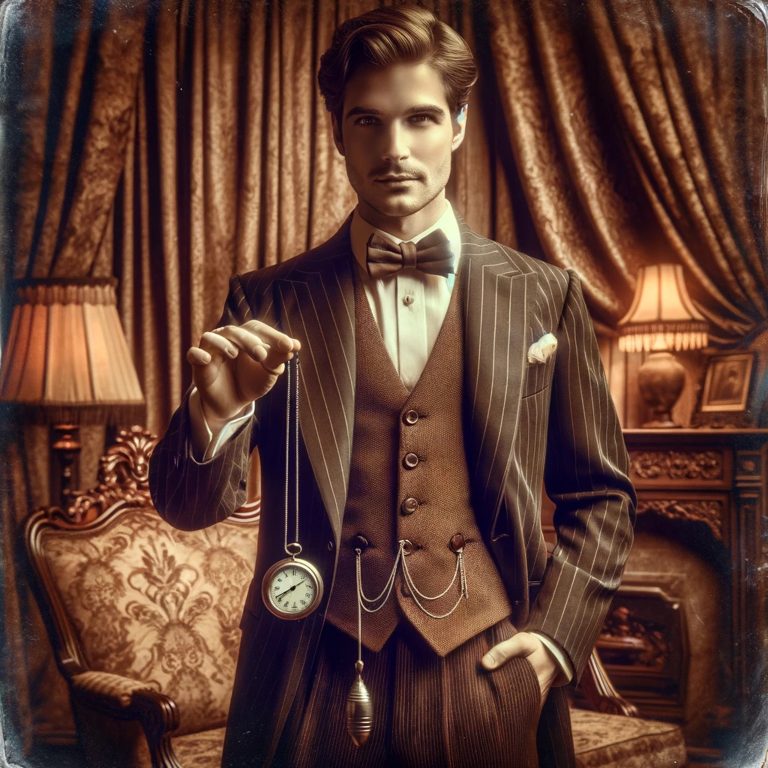
Although the term hypnosis was not introduced until the nineteenth century, practices resembling hypnosis can be traced back thousands of years. Ancient Egyptian sleep temples and Greek healing practices used ritual, expectation, focused attention, and suggestion as part of therapeutic processes.
Across many cultures, practices involving trance, meditation, rhythmic movement, chanting and focused awareness were used for healing or personal transformation. However while these practices were interpreted through spiritual and religious frameworks, they did contain elements that resemble modern hypnotic techniques.
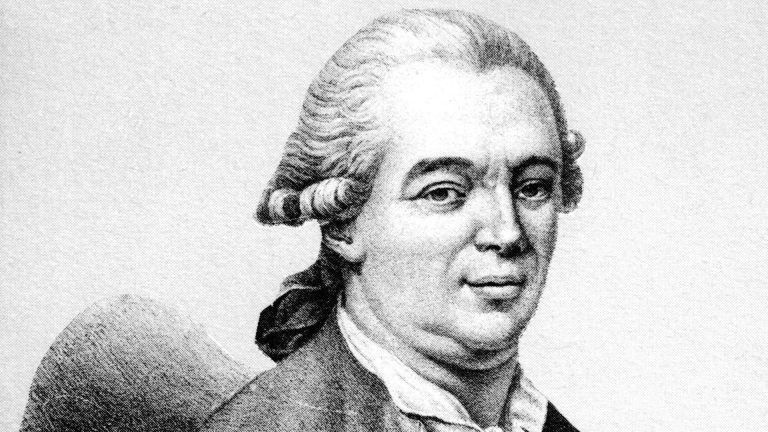
Hypnosis as we understand it today, emerged in the late 18th Century, from the work of an Austrian physician, Franz Anton Mesmer (1734-1815) (Lanska & Lanska, 2007). He believed that all illness was caused by the imbalance of invisible magnetic fluids called Animal Magnetism that flowed through the body. In the late 1700’s with the use of magnets and theatrical hexes, he believed he could rebalance and cure the sick (Upshaw, 2006).
Public demonstrations were held for physicians but soon the rich and socially elite Parisians flocked to see these theatrical performances of deeply trance subjects healed by the suggestions delivered by the charismatic Mesmer (Wobst, 2007; Upshaw, 2006). Understandably, this caused unrest amid fee paid bloodletting physicians, so after investigation was commissioned by the French, his theory was discredited and Mesmer himself disappeared.
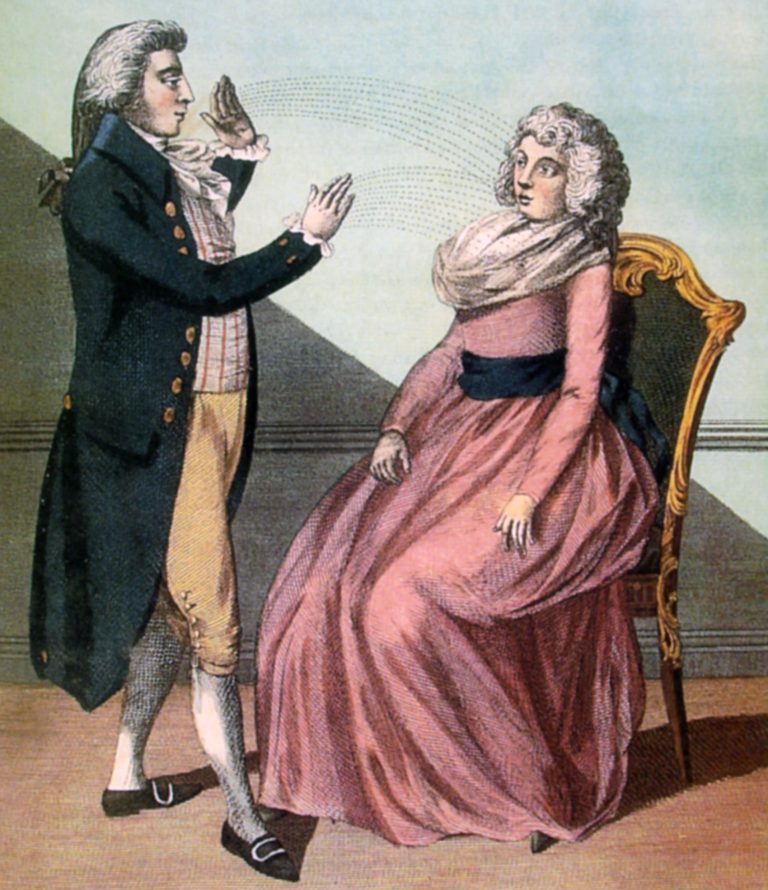
Nevertheless, while controversial, many aspects of his practice, including focused attention, ritual, suggestion and expectation, anticipated techniques that would become central to modern hypnosis.
Meanwhile, mesmeric presentations continued for the paying audiences, although no longer performed for scientific purpose (Salfont, 2020). With the addition of a Somnambulist, a mesmerised individual who appeared to enter a trance, demonstrated heightened suggestibility, and seemingly extraordinary abilities, performances became increasingly theatrical and were viewed primarily as a form of entertainment (Safont, 2020; Nadis, 2001). So Mesmerists continued to speak to the dead, prescribe treatments and ‘Cure’ the sick (Nadis, 2001).
During the early Victorian era, mesmerism continued to flourish in theatres, lecture halls and through public demonstrations, attracting curious audiences. However, its association with dramatic displays, supernatural claims, and occult practices led some sections of Victorian society to question its legitimacy and view it with suspicion (Kaplan, 1974). Despite these criticisms, interest in mesmerism also grew within medical circles.
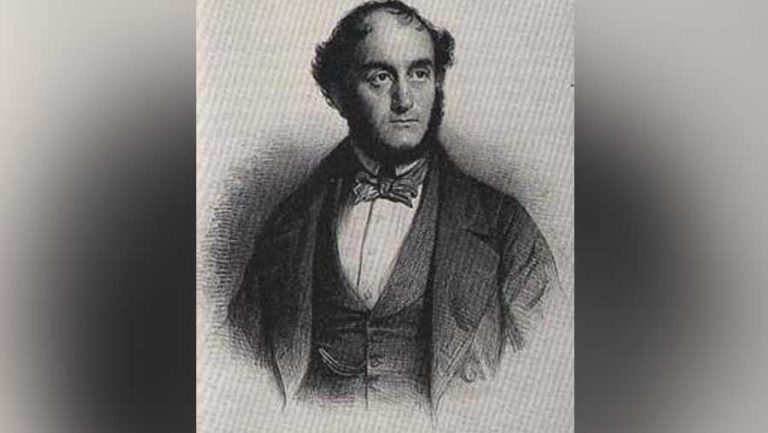
Scottish surgeon James Esdaile (1808–1859) demonstrated that mesmerism could be used to reduce pain during surgery. While working for the East India Company’s medical service in British India during the 1840s, he reported performing more than 300 operations on patients in a mesmeric trance, many of whom appeared to experience little or no pain, reduced fear, deep relaxation, less movement (Upshaw, 2006).
Although Esdaile attributed these effects to Mesmer’s theory of Animal Magnetism, his work is now viewed as an early demonstration of the power of suggestion and focused attention in pain control. His observations contributed to the growing recognition that hypnotic techniques could have genuine therapeutic value, even though mesmerism itself was later replaced by modern scientific understandings of hypnosis.
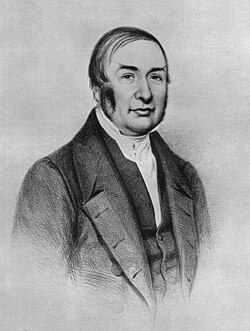
While James Esdaile was demonstrating the potential medical applications of mesmerism during the 1840s, James Braid (1795–1860), also a Scottish surgeon, was challenging its mystical explanations and developing a more scientific interpretation of the phenomena. Braid’s interest was initially sparked after attending a public demonstration by the mesmerist Charles Lafontaine in Manchester in 1841.
Rather than accepting claims of animal magnetism, Braid carefully observed the participants and became intrigued by their unusual behaviours and responses. Through his own experiments, Braid concluded that these effects were not caused by an external magnetic force, but instead resulted from changes in the nervous system and the individual’s mental state, brought about through sustained focused attention and concentration. This represented a significant shift away from supernatural explanations towards a naturalistic understanding of hypnosis, laying the foundations for its scientific study. This is when the medical profession reignited their interest for medical use.
His findings were presented in Neurypnology in 1843, where he introduced the term hypnotism for the first time in order to dissociate from the negative association of stage shows and ‘travelling men of science’. This term was derived from the Greek word hypnos, meaning “sleep”, reflecting Braid’s initial belief that the state resembled an artificially induced form of sleep. However, through further observation, Braid later recognised that hypnosis was not true sleep, but rather a state characterised by focused attention, reduced awareness of external distractions, and increased responsiveness to suggestion (Upshaw, 2006). Nowadays, Braid is considered to be the father of modern hypnosis.
Although Braid had laid the foundations for a scientific understanding of hypnotism, developments in medicine were about to change its role. The introduction of ether in 1846, followed by chloroform in 1847, transformed surgical practice and reduced the need for mesmerism as a means of pain control. Rather than disappearing, however, hypnosis entered a new phase. Researchers and physicians increasingly turned their attention to understanding its psychological mechanisms and therapeutic potential—a story that would continue to unfold in the latter half of the nineteenth century.